Comprehending the Role of a Real Estate Appraiser: Your Handbook to Property Valuation
Real estate appraisers serve a critical function in establishing property valuations. These evaluations affect buyers, sellers, and lending institutions equally. By analyzing various factors, appraisers provide insights that guide important financial decisions. Yet, numerous people stay uninformed about the complexities within this procedure. Grasping appraiser functions and procedures can considerably shape real estate transactions. Which important variables do appraisers evaluate, and how do they assure correctness in their valuations?
What Makes Someone a Real Estate Appraiser?
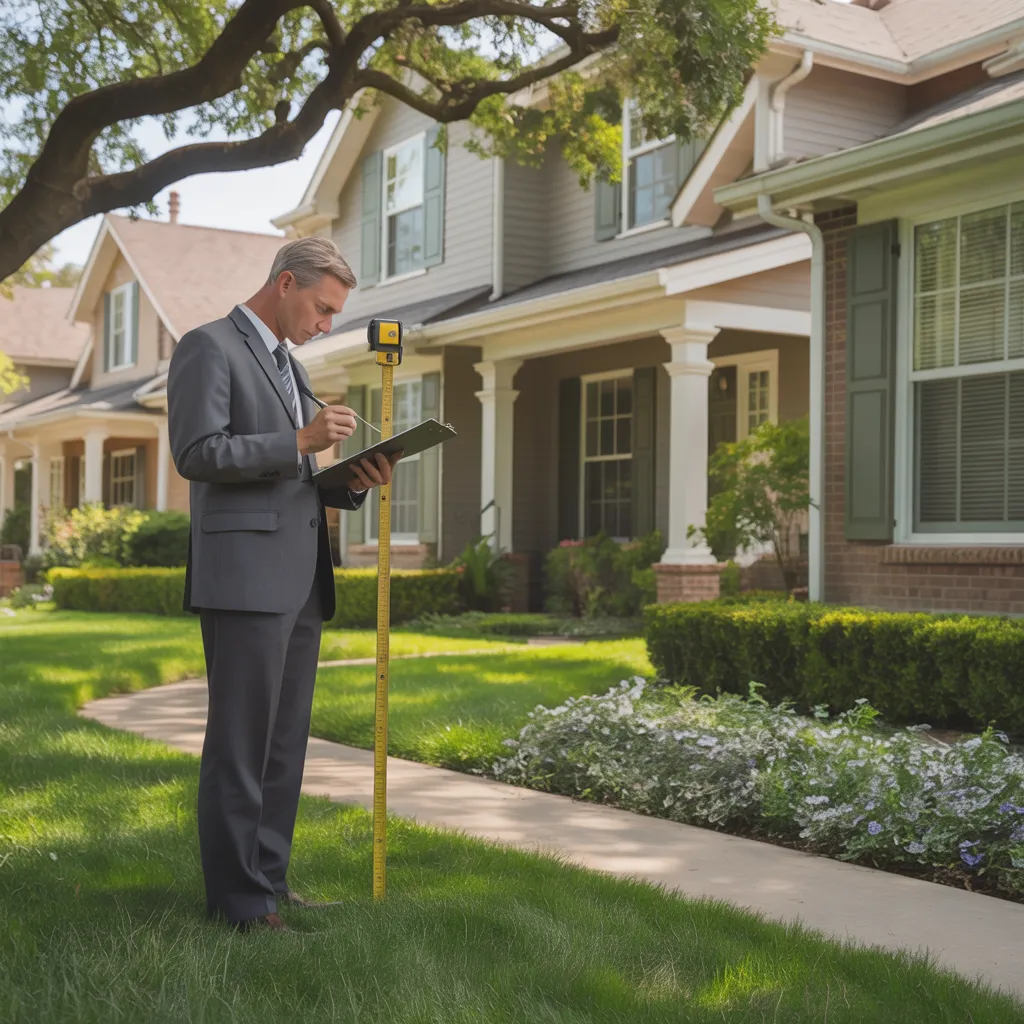
A property appraiser is evidence a specialist responsible for determining the worth of real estate. This position requires examining multiple elements, such as geographic position, market conditions, and property features. Appraisers use systematic approaches and criteria to deliver accurate appraisals, often utilizing comparable sales data and income potential for investment properties.
They play a vital role in real estate transactions, supplying neutral evaluations of value that enable buyers, sellers, and lenders arrive at informed decisions. Appraisers need to have strong analytical skills and a thorough understanding of the real estate market. Most U.S. states require appraisers to hold specific licenses and certifications, assuring they comply with regulatory standards and ethical practices.
These evaluations, typically exhaustive and precise, serve as indispensable documents for home loan authorizations, property settlements, and tax evaluations. Ultimately, real estate appraisers add substantially to the integrity and functionality of the property market.
Understanding the Value of Property Assessment
Property valuation acts as a cornerstone for successful real estate transactions and investment decisions. Accurate property valuations offer essential insights into market conditions, assisting buyers and sellers establish fair prices. For lenders, appraisals define collateral values, making certain that loans are secured appropriately. Moreover, investors depend on property valuations to analyze potential returns and risks, informing their investment strategies.
Valuations additionally fulfill a vital role in property tax assessments, impacting local government revenues. An accurate appraisal can enable property owners contest inflated tax bills, consequently defending their financial interests. Additionally, understanding property value aids in effective negotiation, empowering stakeholders to engage with well-informed positions.
In the end, the valuation of property is essential for fostering transparency and trust in the real estate market, enabling those involved to make knowledgeable choices based on objective data. This fundamental aspect of real estate reinforces the critical need of skilled appraisers in supporting fair and equitable transactions.
Key Factors Influencing Real Estate Value
A number of important factors are crucial in establishing property value. Location and neighborhood trends greatly influence buyer perception, while the condition and features of the property can enhance or detract from its appeal. Additionally, supply and demand forces in the market additionally determine comprehensive valuation in a dynamic property market environment.
Geographic Trends and Neighborhood Information
While the condition of a property has a significant role in its appraised value, location and neighborhood trends often hold even more substantial influence. Appraisers consider several factors related to location, including proximity to schools, public transportation, and essential services. Areas with low crime rates and excellent schools typically appeal to more buyers, boosting property values. Additionally, emerging neighborhoods with new developments or revitalization efforts can indicate rising demand, further enhancing property worth. Market trends, such as rising home prices or shifts in demographics, also influence valuations. In the end, an appraiser's understanding of these location dynamics is essential in determining a property's value, as they represent the desirability and potential for future appreciation in the real estate market.
Property State and Amenities
The comprehensive state of a property along with its particular attributes substantially affect its evaluated worth. Assessment professionals thoroughly analyze both inside and outside components of a property. Factors such as the age of the roof, the quality of plumbing and electrical systems, and the state of appliances are essential. Additionally, the presence of modern upgrades or renovations can markedly enhance value. Unique features, like a swimming pool, energy-efficient windows, or landscaped gardens, also contribute positively to appraisal outcomes. On the other hand, shortcomings, such as structural problems or antiquated styles, can result in a decreased assessment. Therefore, an evaluator's appraisal encompasses a thorough investigation of property state and attributes, securing an exact depiction of its market standing.
Supply and Demand in the Market
Supply and demand dynamics play a crucial role in establishing property value, as fluctuations in these dynamics can considerably influence pricing. When demand for properties exceeds supply, prices typically climb, reflecting the competitive nature of buyers in the market. Conversely, an oversupply of properties can lead to decreased prices, as sellers may need to lower their expectations to attract buyers. Economic conditions, interest rates, and demographic trends further impact supply and demand dynamics, shaping buyer behaviors and preferences. For appraisers, understanding these factors is essential for accurate property valuation. By assessing local market trends and conditions, real estate appraisers can provide insights into how demand and supply fluctuations affect property values, permitting stakeholders to make informed decisions.
How the Appraisal Process Works
Grasping the appraisal process is crucial for both buyers and sellers, as it functions as a key step in determining a property's fair market value. The process generally begins with the appraiser carrying out a thorough inspection of the property, recording its condition, size, and distinctive features. After the inspection, the appraiser examines comparable properties in the area, analyzing recent sales data to create a contextual framework for valuation.
After gathering necessary information, the appraiser applies several approaches to evaluate the property, like the cost, sales comparison, and income approaches. Every method provides insights into separate aspects of property value, ensuring a complete assessment. After finishing the analysis, the appraiser compiles their findings into a detailed report that is presented to the client, delivering an objective evaluation that aids in informed decision-making. Comprehending this process equips stakeholders with the knowledge to handle real estate transactions successfully.
Different Types of Appraisals
Although multiple appraisal techniques are available, each fulfills specific roles suited to different property types and client needs. The three primary types of appraisals include the income approach, the sales comparison approach, and the cost approach.
The sales comparison method is typically utilized for residential properties, evaluating the subject property with recently sold, similar homes in the neighborhood. The cost approach calculates the value depending on the cost to rebuild the property, incorporating depreciation, making it suitable for new builds or unique properties.
The income strategy is chiefly utilized for income-generating properties, where the appraiser evaluates the revenue generation capacity and costs related to the property to establish its value.
Every method presents a valuable perspective on property valuation, making sure that clients receive personalized assessments consistent with their specific objectives. Recognizing these distinctions enables clients make informed decisions in their real estate transactions.
Frequent Misunderstandings About Appraisers
Many people hold misconceptions about the function and responsibilities of real estate appraisers, commonly creating confusion related to their value in the property transaction process. One prevalent belief is that appraisers set property prices; in reality, they supply an objective valuation based on market data and property features. Another misconception is that appraisers work for buyers or sellers; however, they are generally independent professionals who serve lenders to ensure fair lending practices. Additionally, many people believe appraisals are straightforward and quick; in fact, thorough appraisals demand extensive research, analysis, and time to deliver accurate results. Some may also assume that appraisers are biased or influenced by external factors, but reputable appraisers comply with strict ethical standards and regulations. Understanding these misconceptions is vital for acknowledging the essential role appraisers play in real estate transactions and property valuation.
How to Select the Right Appraiser for Your Needs
Picking the right appraiser necessitates meticulous consideration of their credentials and experience. Moreover, understanding an appraiser's specialization and expertise in a particular property type can greatly impact the accuracy of the appraisal. Assessing these factors confirms that clients select a professional suited to their specific needs.
Qualifications and Background
Picking an appraiser requires thorough consideration of their credentials and experience to provide accurate property valuation. Future clients should confirm that the appraiser possesses appropriate licenses and certifications, which typically include state licensure and professional memberships in organizations such as the Appraisal Institute or the American Society of Appraisers. Experience is equally essential; an appraiser's track record in the specific type of property being evaluated can significantly influence the quality of the assessment. It is advisable to question the number of years the appraiser has been in the field, as well as their familiarity with local market trends. Finally, a combination of solid credentials and relevant experience assures that clients receive dependable and precise property valuations.
Specialization and Expertise
An appraiser's specialization and expertise play a significant role in the property valuation process. Various property types, including residential, commercial, or industrial, demand particular knowledge and expertise. When selecting an appraiser, it is essential to take into account their area of specialization to guarantee a thorough evaluation. As an illustration, a residential appraiser may specialize in single-family homes, while a commercial appraiser is more appropriate for multi-unit buildings and retail spaces. Moreover, appraisers may have specialized knowledge of particular geographical areas, improving their understanding of local market trends. Clients should inquire about the appraiser's experience with similar properties and request references to gauge past performance. This tailored approach ensures that clients receive the most exact and pertinent property valuation.
Your Questions Answered
How Much Time Does an Appraisal Usually Take to Complete?
An appraisal typically takes between one to three hours on the property, according to the property's size and complexity. The full procedure, incorporating research and report preparation, normally takes several days to a week.
Can I Dispute an Appraisal if I Disagree With the Value?
An individual may challenge an appraisal if they dispute the assessed value. This often entails offering supplementary evidence, including comparable sales, to support their argument and may demand a formal appeal process.
What Should I Consider Regarding an Appraiser's Qualifications?
When choosing an appraiser, you should consider qualifications like state certification, relevant experience, specialized training, and membership in professional organizations. These factors contribute to the appraiser's credibility and accuracy in property valuation.
What Are the Payment Methods for Appraisers?
Appraisers typically earn their income from fees charged for appraisal services, which can vary based on property characteristics, assignment complexity, and regional market dynamics. Compensation is typically collected once the appraisal report is finished.
Can Appraisals Directly Impact Property Taxes?
Property taxes can be directly impacted by appraisals. Local governments often use appraised values to determine tax assessments, which means higher appraisals may lead to increased property taxes, while lower appraisals might lead to diminished property tax bills.